Source Spinning Reel for Fishing, Industrial, and Textile Uses
Explore 30 verified spinning reel options for fishing, industrial machinery, and textile production. Buyers can compare specifications, prices, and certifications to find the right equipment for their needs. This comprehensive list includes rotor and ring spinning methods, ensuring you find the perfect match for your specific application requirements.
Key considerations
Products List






Comprehensive Sourcing Guide
Spinning Reel Sourcing Guide
Procuring spinning reels requires a clear understanding of the diverse product categories available in the market, as the term encompasses both industrial textile machinery and recreational fishing equipment. Buyers must first distinguish between the specific type of reel they require, as the technical requirements, material compositions, and operational contexts differ significantly between these two primary categories. This initial classification is critical for ensuring that the subsequent sourcing process targets the correct supplier base and avoids miscommunication regarding product capabilities.
The observed listings indicate a wide range of price points and minimum order quantities, reflecting the complexity of the supply chain. Prices can vary from under one dollar to nearly fifty thousand dollars, while MOQs range from a single unit to one thousand pieces. This variance suggests that buyers should not assume a uniform market structure. Instead, they must define their specific volume needs and budget constraints early in the process to filter out irrelevant suppliers. Establishing these parameters upfront helps in creating a focused shortlist of vendors who can meet both the technical and commercial requirements of the project.
Product Scope and Observed Listing Signals
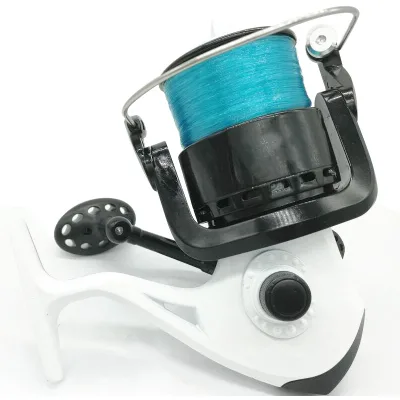
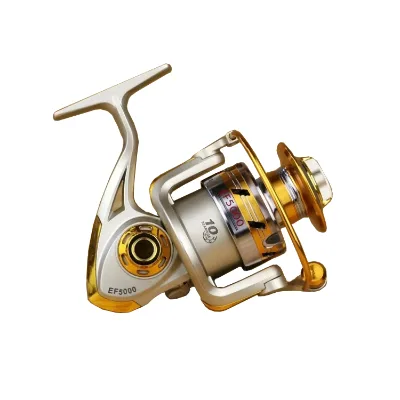
The product scope for spinning reels is broad, covering industrial spinning machines for textile production and specialized reels for fishing applications. Industrial listings often specify features such as rotor spinning, ring spinning, and high-power spinning capabilities, with models designed for processing materials like cotton. These machines may include digital winding options and programmable functions to enhance production efficiency. In contrast, recreational spinning reels are typically characterized by gear ratios, weight, and packaging details, such as being supplied in color boxes. Understanding these distinct scopes is essential for buyers to identify the correct product category.
Buyers should pay close attention to the specific attributes listed in product descriptions to avoid confusion. For industrial equipment, look for details on spindle types, belt wheel configurations, and pressure supply methods, such as hydraulic pressure. For fishing reels, focus on the gear ratio, such as 5.2:1, and the weight, which may be as low as 0.2kg. The presence of customization options is a common signal across both categories, indicating that suppliers can adapt products to specific needs. However, buyers must verify that the customization capabilities align with their technical requirements. By carefully analyzing these listing signals, buyers can better assess the suitability of potential suppliers for their specific procurement needs.
Technical Specifications to Verify
When evaluating industrial spinning reels, buyers must verify the technical specifications that directly impact production efficiency and output quality. Key parameters include the main motor power, which may be specified as 11kw, and the axial and radial force capabilities, such as 35kn. These figures determine the machine's ability to handle different material types and production loads. Additionally, the spinning method, whether rotor or ring, dictates the type of yarn produced and the operational setup required. Buyers should ensure that the machine's structure, such as horizontal orientation, fits within their facility layout and operational workflow.
For recreational spinning reels, technical verification focuses on performance metrics that affect user experience and durability. The gear ratio is a critical specification, as it determines the balance between retrieval speed and power. Buyers should also consider the weight of the reel, which impacts handling and fatigue during extended use. Material composition is another important factor, with options ranging from aluminum to stainless steel, each offering different levels of corrosion resistance and strength. By thoroughly verifying these technical specifications, buyers can ensure that the selected reels meet the performance standards required for their intended applications, whether in industrial production or recreational use.
Compliance and Safety Documentation
Compliance with international standards is a critical aspect of sourcing spinning reels, particularly for industrial equipment. Buyers should request documentation that verifies adherence to recognized standards, such as ISO9001 and CE certification. These certifications indicate that the product has undergone rigorous testing and meets specific safety and quality benchmarks. For industrial machines, compliance with electrical safety standards is also essential, especially when dealing with high-power motors and hydraulic systems. Buyers should ensure that all necessary safety features, such as emergency stop mechanisms and protective guards, are included and documented.
For recreational spinning reels, while formal certifications may be less common, buyers should still verify that the product meets basic safety and quality standards. This includes checking for material safety, particularly for components that come into contact with water or skin. Suppliers should provide information on the materials used, such as aluminum or stainless steel, and confirm that they are free from harmful substances. Additionally, buyers should request test reports that demonstrate the reel's durability and performance under various conditions. By prioritizing compliance and safety documentation, buyers can mitigate risks associated with product liability and ensure that the reels meet the necessary regulatory requirements for their target markets.
Cost Drivers and Commercial Terms
The cost of spinning reels is influenced by several factors, including the complexity of the product, the materials used, and the level of customization required. Industrial spinning machines, with their advanced features and high-power components, typically command higher prices compared to recreational reels. Buyers should consider the total cost of ownership, which includes not only the initial purchase price but also maintenance, energy consumption, and potential downtime. Understanding these cost drivers helps buyers make informed decisions and negotiate better terms with suppliers.
Commercial terms, such as payment methods, delivery schedules, and warranty periods, also play a significant role in the procurement process. Buyers should clarify these terms with suppliers to avoid misunderstandings and ensure smooth transactions. For example, a 12-month warranty is a common offering for industrial equipment, providing buyers with peace of mind regarding product reliability. Additionally, buyers should consider the packaging and shipping options, as these can impact the overall cost and delivery time. By carefully evaluating cost drivers and commercial terms, buyers can optimize their procurement strategy and achieve the best value for their investment.
Supplier Qualification and Quality Control
Qualifying suppliers is a crucial step in the sourcing process, as it ensures that the products meet the required standards and specifications. Buyers should assess suppliers based on their production capabilities, quality control processes, and track record of delivering on time. For industrial spinning reels, suppliers should have experience in manufacturing complex machinery and be able to provide references from previous clients. This helps buyers gauge the supplier's reliability and expertise in the field.
Quality control is another critical aspect of supplier qualification. Buyers should request samples or visit the supplier's facility to inspect the products and verify their quality. For industrial equipment, this may involve testing the machine's performance under various conditions to ensure it meets the specified parameters. For recreational reels, buyers should check for defects in the gear mechanism, handle, and other components. By implementing a robust quality control process, buyers can reduce the risk of receiving substandard products and ensure that the reels perform as expected in their intended applications.
Long-Term Procurement Checks
Long-term procurement checks are essential for maintaining a stable and reliable supply chain. Buyers should establish ongoing relationships with suppliers to ensure consistent quality and timely delivery. This involves regular communication and feedback to address any issues that may arise during the production or delivery process. By building strong partnerships with suppliers, buyers can benefit from preferential pricing, priority support, and access to new product developments.
Additionally, buyers should monitor market trends and technological advancements to stay informed about the latest innovations in spinning reel technology. This helps them make informed decisions about when to upgrade or replace their equipment. For industrial buyers, this may involve exploring new spinning methods or automation features that can improve efficiency and reduce costs. For recreational buyers, it may involve looking for new materials or designs that enhance performance and durability. By staying proactive in their procurement strategy, buyers can ensure that they are always using the most effective and cost-efficient solutions available in the market.
FAQs
What certifications do spinning reels have?
The spinning reels listed carry CE certification as a standard compliance mark. This ensures the equipment meets essential safety and performance requirements for industrial use in various regions without needing additional local approvals.
Can I get customized spinning production lines?
Yes, customization is available for the spinning production lines and machines. Buyers can request specific configurations to match their unique production needs while maintaining the core functionality of the automated spinning equipment.
What is the warranty period for these machines?
The standard warranty period provided for these spinning machines is 12 months. This coverage ensures protection against manufacturing defects and supports operational reliability during the initial year of industrial use.
Which spinning methods are supported by the equipment?
The equipment supports both rotor spinning and ring spinning methods for different production requirements. These versatile methods allow manufacturers to process various materials efficiently while maintaining high power spinning capabilities.
What is the minimum order quantity for spinning reels?
The minimum order quantity for spinning reels is one piece, allowing flexible procurement for small batches. This low entry threshold enables buyers to test equipment performance before committing to larger industrial orders.
How are the spinning machines packed for shipping?
The machines are packed in wooden boxes or wooden cases to ensure safe transport. This robust packaging protects the industrial equipment from damage during international shipping and handling processes.
Where are the spinning machines manufactured?
The spinning machines are manufactured in China, specifically in Taizhou, Jiangsu. This location serves as the primary origin for the industrial equipment supplied to international buyers seeking cost-effective solutions.